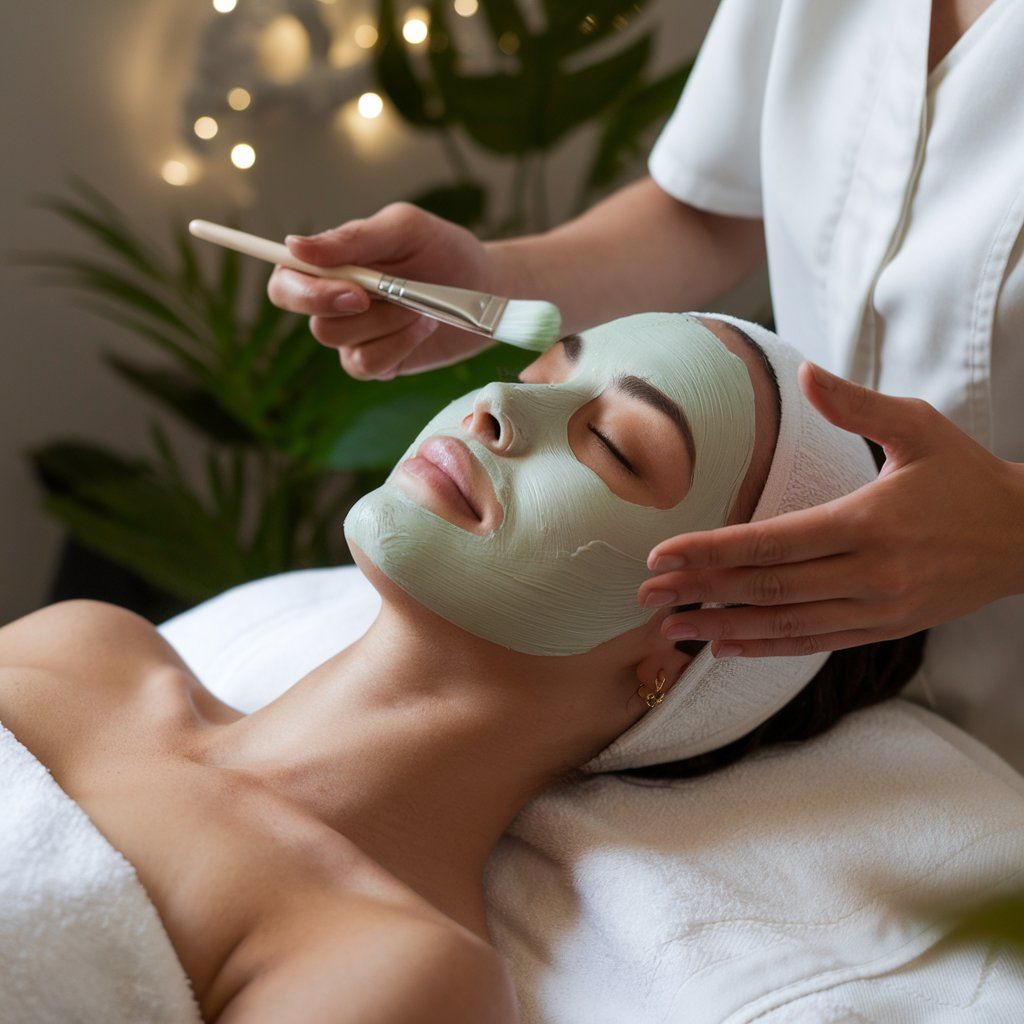
Healthy skin begins with consistency. Your daily routine plays a vital role in determining how your skin looks, feels, and ages. With the right habits and products, you can achieve a radiant, natural glow that lasts a lifetime. This comprehensive guide shares dermatologist-approved strategies for maintaining optimal skin health.
The Science of Healthy Skin
Your skin is your body's largest organ, serving as a protective barrier against environmental aggressors, regulating body temperature, and reflecting your overall health. Proper skincare isn't just about aesthetics—it's about maintaining your skin's structural integrity, preventing premature aging, and protecting against skin conditions and diseases.



✔ 1. Cleanse With Care
Use a gentle, sulfate-free cleanser twice daily—morning and night. Avoid harsh scrubs that damage your skin barrier and lead to irritation, redness, and sensitivity. Look for pH-balanced formulas that respect your skin's natural acid mantle.
Morning vs. Night: In the morning, a gentle cleanse removes overnight impurities. At night, double cleansing is ideal—first with an oil-based cleanser to remove makeup and sunscreen, then with a water-based cleanser to purify pores.
Water Temperature: Use lukewarm water. Hot water strips natural oils, while cold water doesn't effectively remove impurities.
✔ 2. Moisturize Daily
Hydration is essential for softness, elasticity, and barrier function. Even oily skin needs moisturizer—skipping it can trigger increased oil production as your skin tries to compensate for dryness.
Choose Wisely: Select a lightweight, non-comedogenic moisturizer for oily/acne-prone skin. For dry skin, look for richer formulas with ceramides and hyaluronic acid. For combination skin, you might need different products for different areas.
Application: Apply moisturizer to damp skin to lock in hydration. Use upward, gentle strokes to avoid pulling on delicate skin tissue.
✔ 3. Sunscreen Is Non-Negotiable
UV rays accelerate aging, cause dark spots, and break down collagen. Up to 80% of visible skin aging is caused by sun exposure. Apply SPF 30+ every day—even indoors, as UVA rays penetrate windows.
Reapplication: Apply enough sunscreen (about a teaspoon for face and neck) and reapply every 2 hours when outdoors. Don't forget often-missed areas: ears, neck, back of hands, and hairline.
Types of Sunscreen: Chemical sunscreens absorb UV rays, while physical/mineral sunscreens (zinc oxide, titanium dioxide) reflect them. Physical sunscreens are better for sensitive skin and provide immediate protection.
✔ 4. Exfoliate Wisely
Chemical exfoliants like AHA (alpha hydroxy acids) and BHA (beta hydroxy acids) remove dead skin cells, improve texture, and enhance product absorption. Physical exfoliation should be gentle and infrequent.
Frequency: Start with once a week and increase gradually as your skin tolerates. Over-exfoliation damages your skin barrier, leading to irritation, sensitivity, and breakouts.
AHA vs. BHA: AHAs (glycolic, lactic acid) work on the skin's surface, great for texture and dullness. BHAs (salicylic acid) penetrate pores, ideal for oily and acne-prone skin.
✔ 5. Eat & Sleep for Healthy Skin
A balanced diet rich in vitamins, antioxidants, and hydration boosts skin repair from within. Quality sleep encourages cell regeneration and reduces inflammation, puffiness, and dullness.
Skin-Friendly Foods: Include omega-3 fatty acids (fatty fish, walnuts), antioxidants (berries, dark leafy greens), vitamin C (citrus, bell peppers), and zinc (nuts, seeds) in your diet. Limit sugar and processed foods that can trigger inflammation and breakouts.
Sleep Hygiene: Aim for 7-9 hours of quality sleep. Use silk or satin pillowcases to reduce friction and creasing. Sleep on your back when possible to prevent sleep lines from forming.
Additional Expert Tips
1. Know Your Skin Type: Understand whether you have oily, dry, combination, or sensitive skin. Products should be chosen accordingly.
2. Patch Test New Products: Always test new products on a small area (like behind your ear) for 24-48 hours before full-face application.
3. Don't Touch Your Face: Keep hands away from your face to prevent transferring bacteria, oil, and dirt.
4. Change Pillowcases Regularly: Change pillowcases every 3-4 days to prevent bacteria buildup that can cause breakouts.
5. Stay Hydrated: Drink adequate water throughout the day. While topical moisturizers are essential, internal hydration supports skin plumpness and elasticity.
Skin Care Essentials
- Consistency Wins: Daily routine matters more than occasional treatments
- Protection First: Sunscreen is your best anti-aging investment
- Less is More: Avoid overloading skin with too many products
- Listen to Your Skin: Adjust routines based on seasonal changes and skin needs
- Patience Pays: Give products 4-6 weeks to show results
- Professional Advice: Consult a dermatologist for persistent skin concerns
- Holistic Approach: Combine topical care with healthy lifestyle choices
Final Thoughts
Building an effective skincare routine is about understanding your skin's unique needs and being consistent with proven practices. Remember that great skin is a journey, not a destination. What works for others may not work for you, so be patient and observant.
Your skin reflects your overall health and well-being. By investing time in proper care today, you're ensuring healthier, more radiant skin for years to come. Start with the basics, be consistent, and don't hesitate to seek professional guidance for personalized advice.